
Why a plantation is always partly out of production
Of CDC's 42,027 planted hectares, a share is producing nothing at any given moment. That is not a shortfall. It is the shape of a perennial crop.
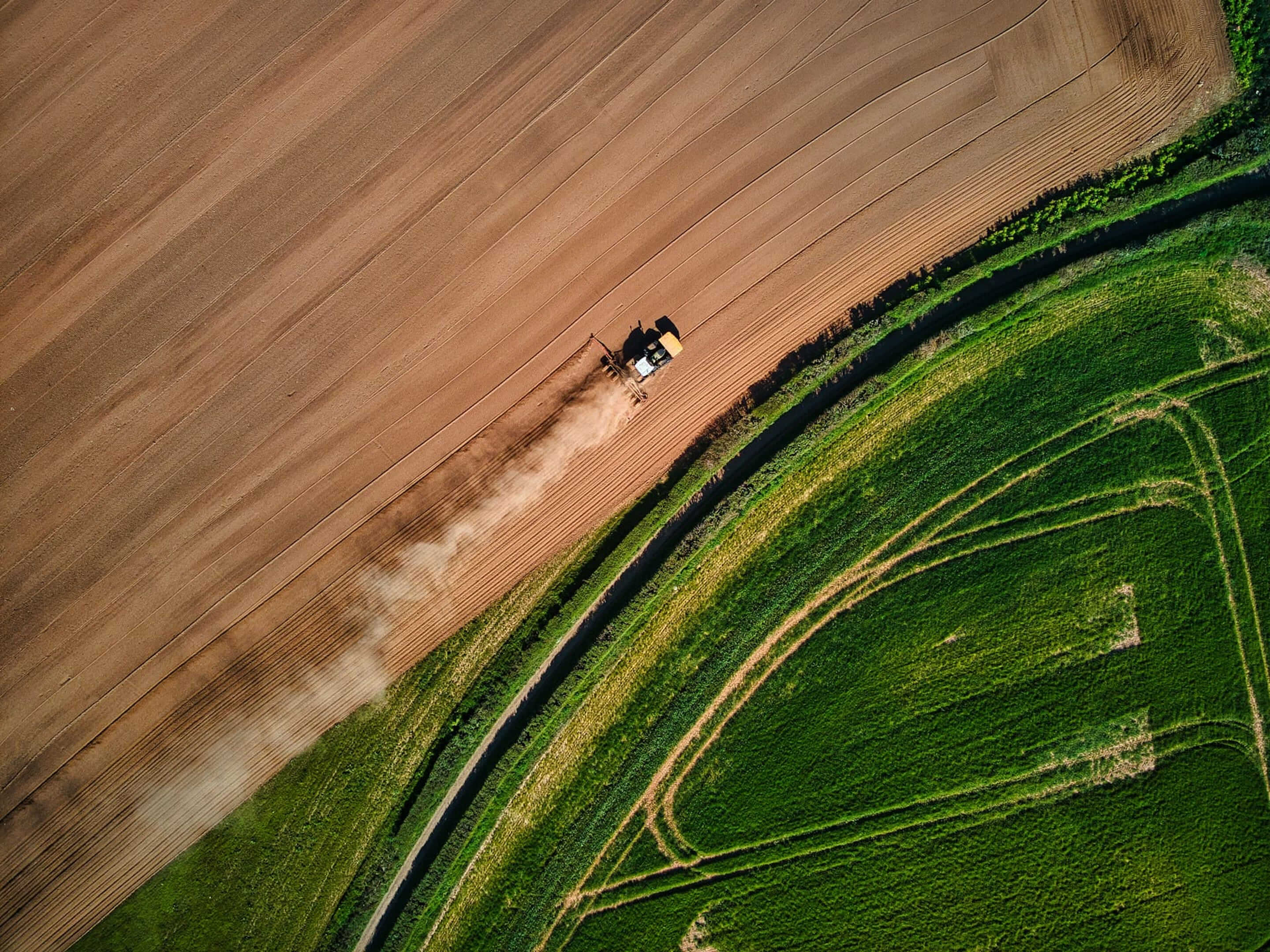
An annual crop is planted and harvested inside a year, so a field is either in production or waiting for the next season. Oil palm, rubber and banana do not work that way. A palm stand is productive for something like a quarter of a century and a rubber stand for about three decades, and at the end of that the whole block has to come out and start again.
The consequence is that a plantation is never uniformly productive. Spread 42,027 hectares across three crops and several decades of planting dates, and at any moment some blocks are mature and yielding, some are past their best, and some are cleared ground or young plants that will not return anything for years.
This is why hectares and tonnage never track each other neatly, and why comparing the two in a single year says less than it appears to. The area figure counts land committed to the crop. The tonnage figure counts only the part of it currently in bearing.
It also makes replanting a scheduling problem rather than a maintenance one. Take out too much at once and production drops for years; take out too little and the average age of the stand climbs until yields fall on their own. The work of a plantation is largely the work of keeping that distribution even.
Read next
 Operations
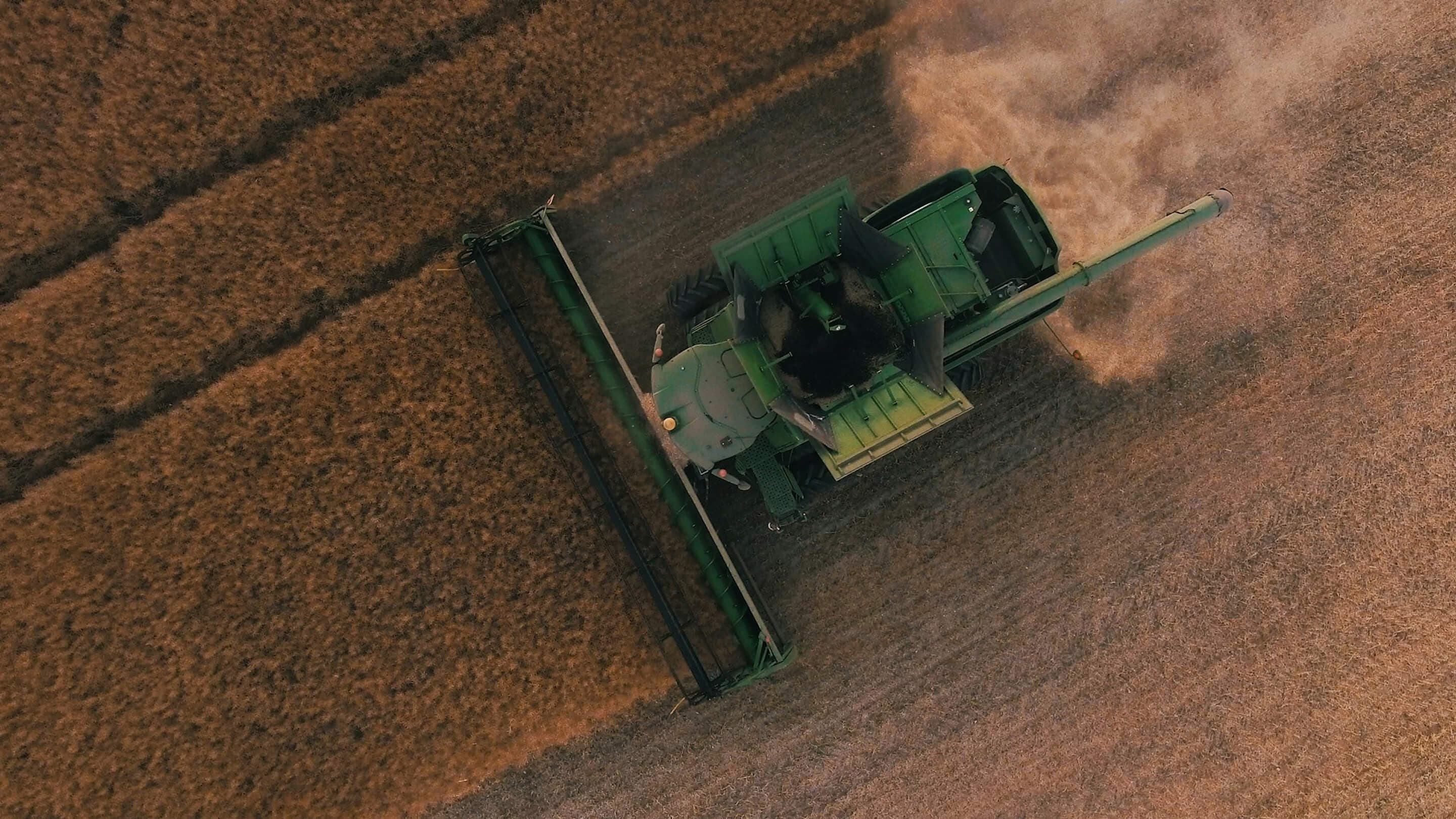
What low free fatty acid palm oil actually means
CDC describes its palm oil as low free fatty acid. It is the most useful number on the label, and it is decided in the hours between harvest and mill.
Read the article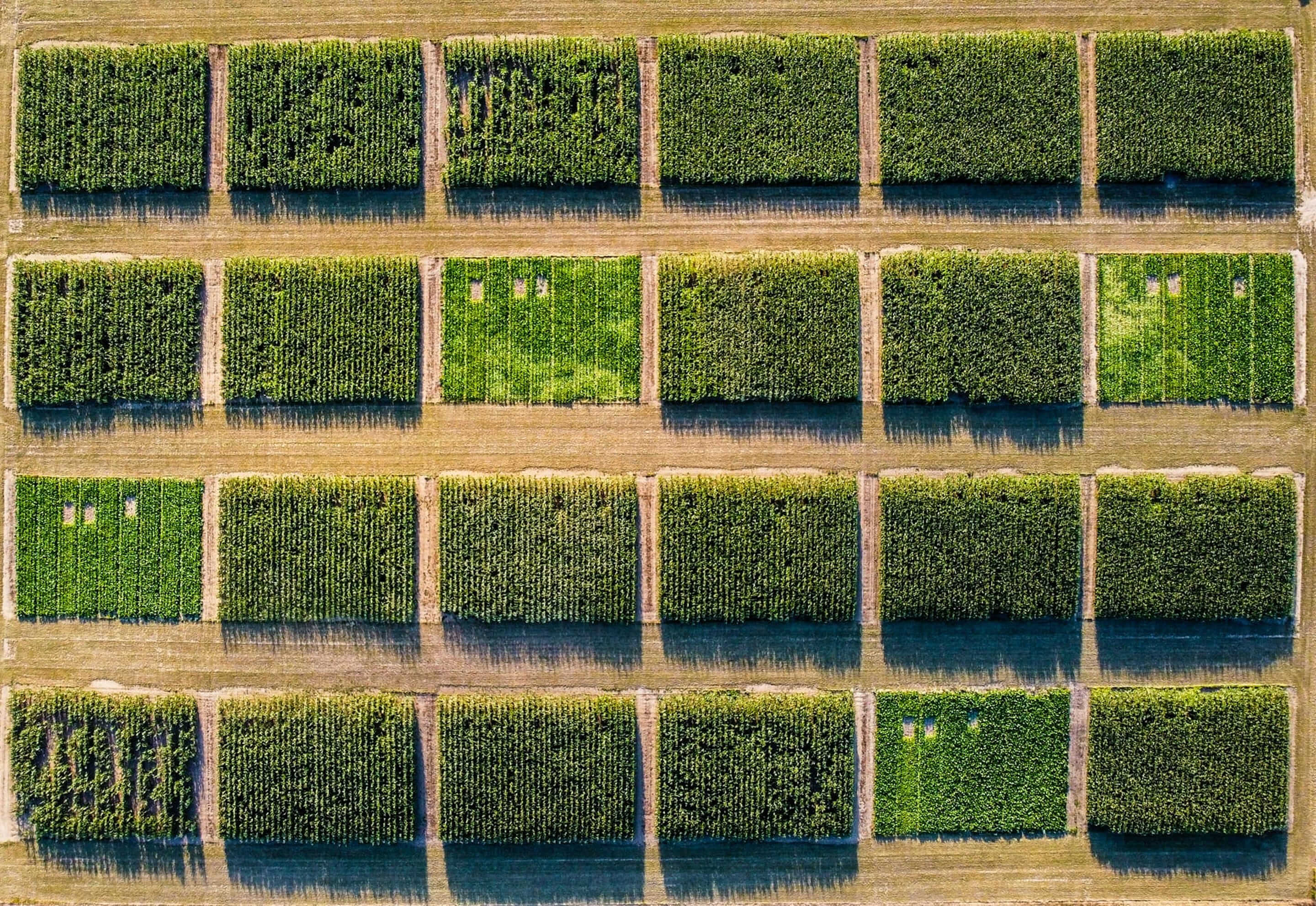 Expansion
Six years from planting to first tapping
Matouke was planted in 2008 and first tapped in 2015. That gap is the single hardest thing about growing rubber, and it shapes how the expansion projects were designed.
Read the article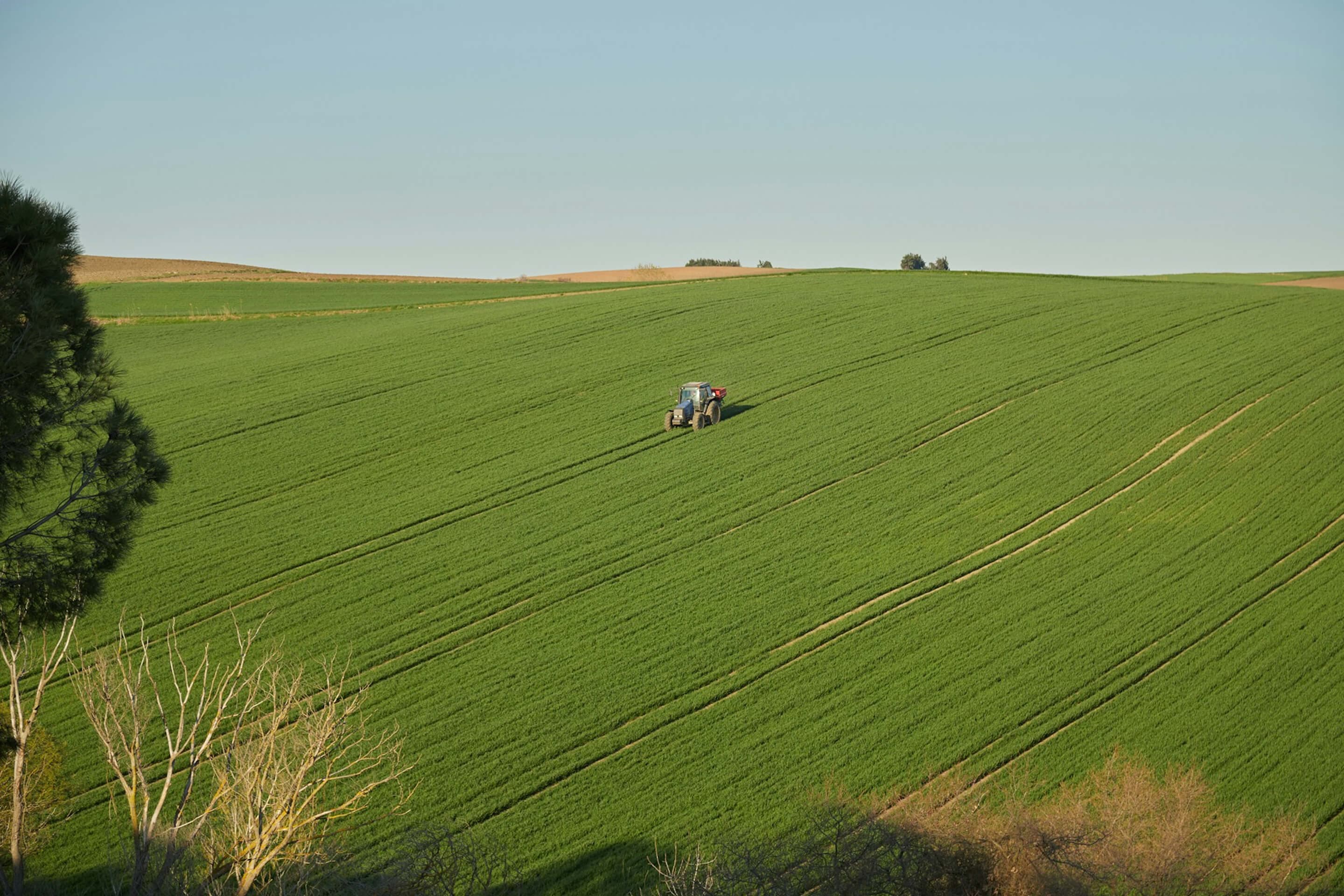 Crops
CropsThe smallest planted area, and the largest tonnage
Banana occupies a ninth of CDC's land and produces about five times the weight of its rubber. Reading the two figures together says a lot about how the corporation is balanced.
Read the article