
What low free fatty acid palm oil actually means
CDC describes its palm oil as low free fatty acid. It is the most useful number on the label, and it is decided in the hours between harvest and mill.
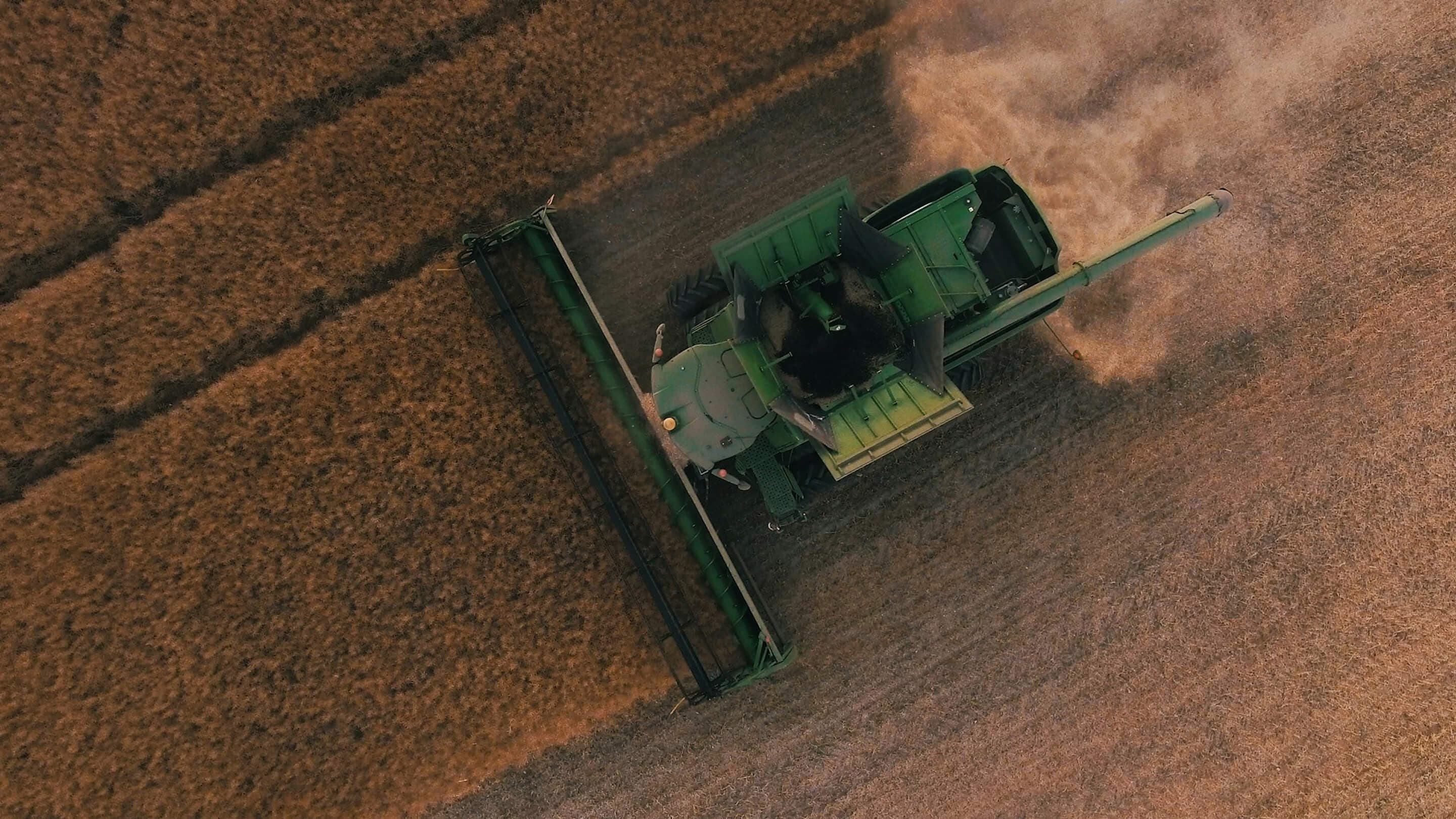
Every year CDC's three mills at Mondoni, Idenau and Illoani press between 18,000 and 19,000 tons of palm oil, and the corporation describes all of it the same way: low free fatty acid. It is worth knowing what that phrase is measuring, because it is the difference between oil you cook with and oil that goes to industry.
A palm fruit begins breaking down its own oil as soon as it is cut. Enzymes in the fruit split the fat into free fatty acids, and the longer the bunch waits, the further that goes. Free fatty acid content is therefore a clock. A low figure does not mean the oil was refined more carefully; it means the fruit reached the press quickly.
That turns quality into a logistics problem rather than a processing one. The mills have to sit close to the plantations that feed them, and the bunches have to move on the day they are cut. It is the reason oil palm milling is organised around three sites spread across the estates instead of one central plant.
It also explains why the palm oil is the one CDC crop sold at home while the rubber and the bananas leave the country. Oil pressed from fresh fruit and bottled in one, five and twenty litre containers is a domestic product with a domestic shelf life, and the local market is where that freshness is worth the most.
Read next
 Expansion
Six years from planting to first tapping
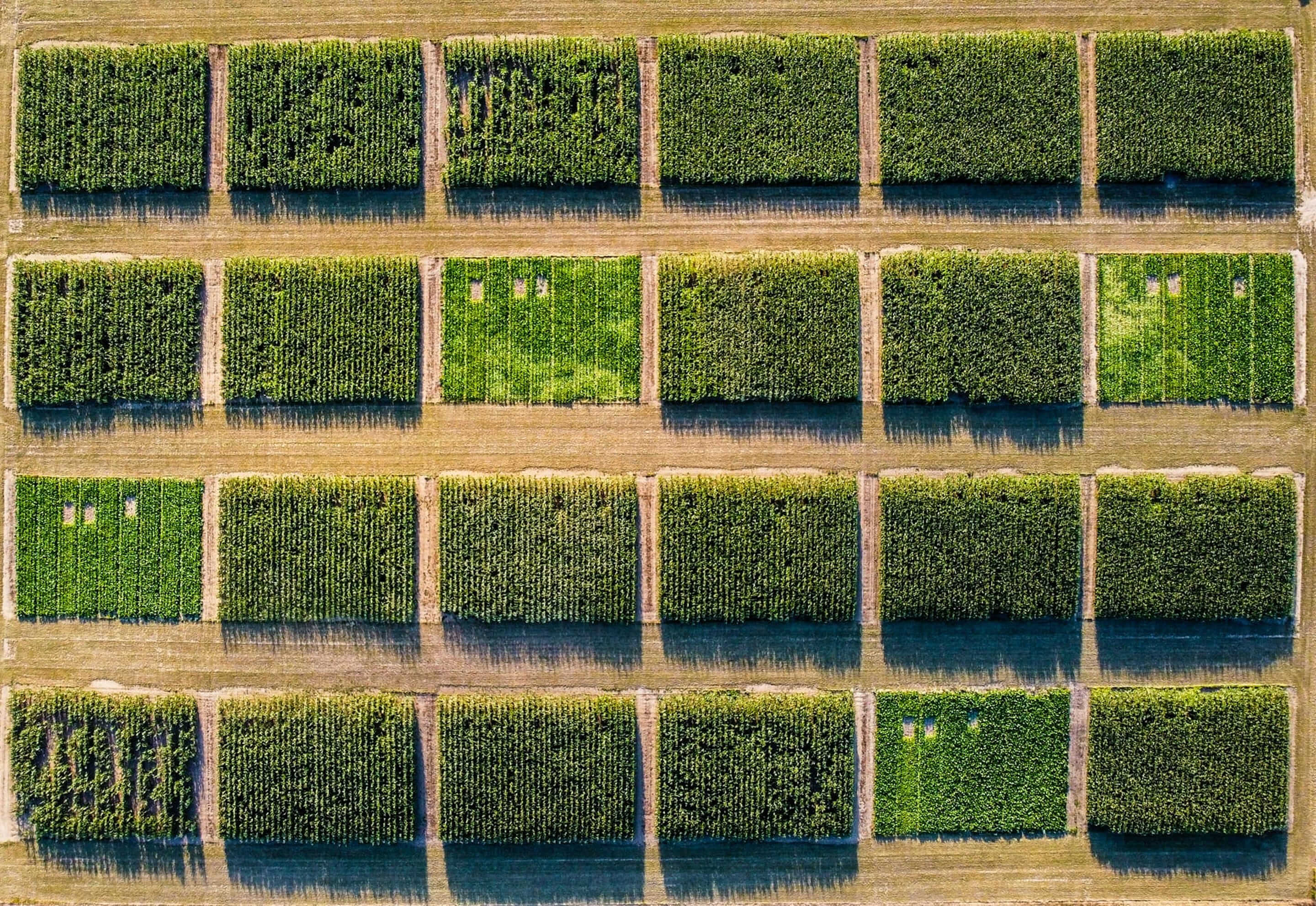
Matouke was planted in 2008 and first tapped in 2015. That gap is the single hardest thing about growing rubber, and it shapes how the expansion projects were designed.
Read the article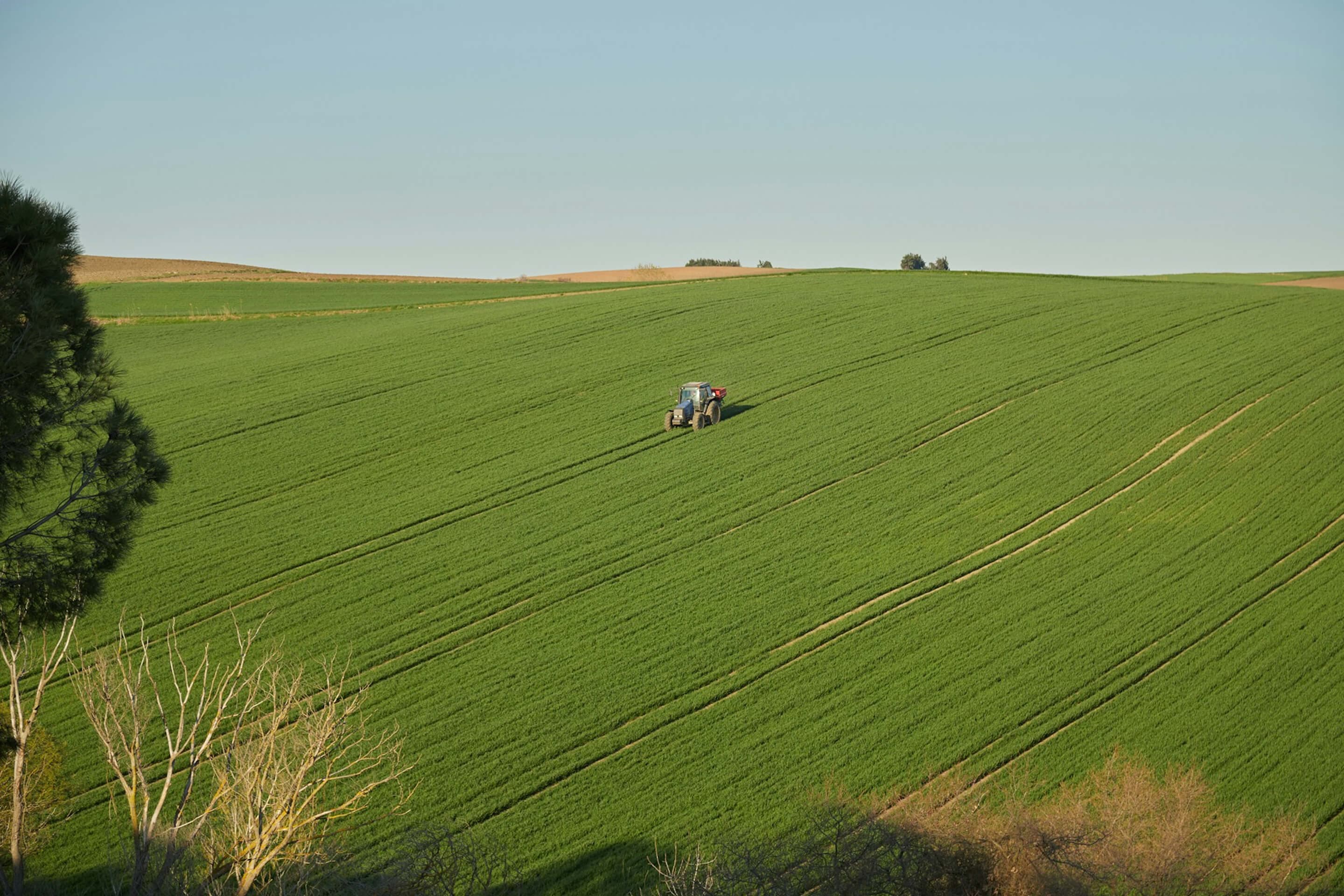 Crops
CropsThe smallest planted area, and the largest tonnage
Banana occupies a ninth of CDC's land and produces about five times the weight of its rubber. Reading the two figures together says a lot about how the corporation is balanced.
Read the article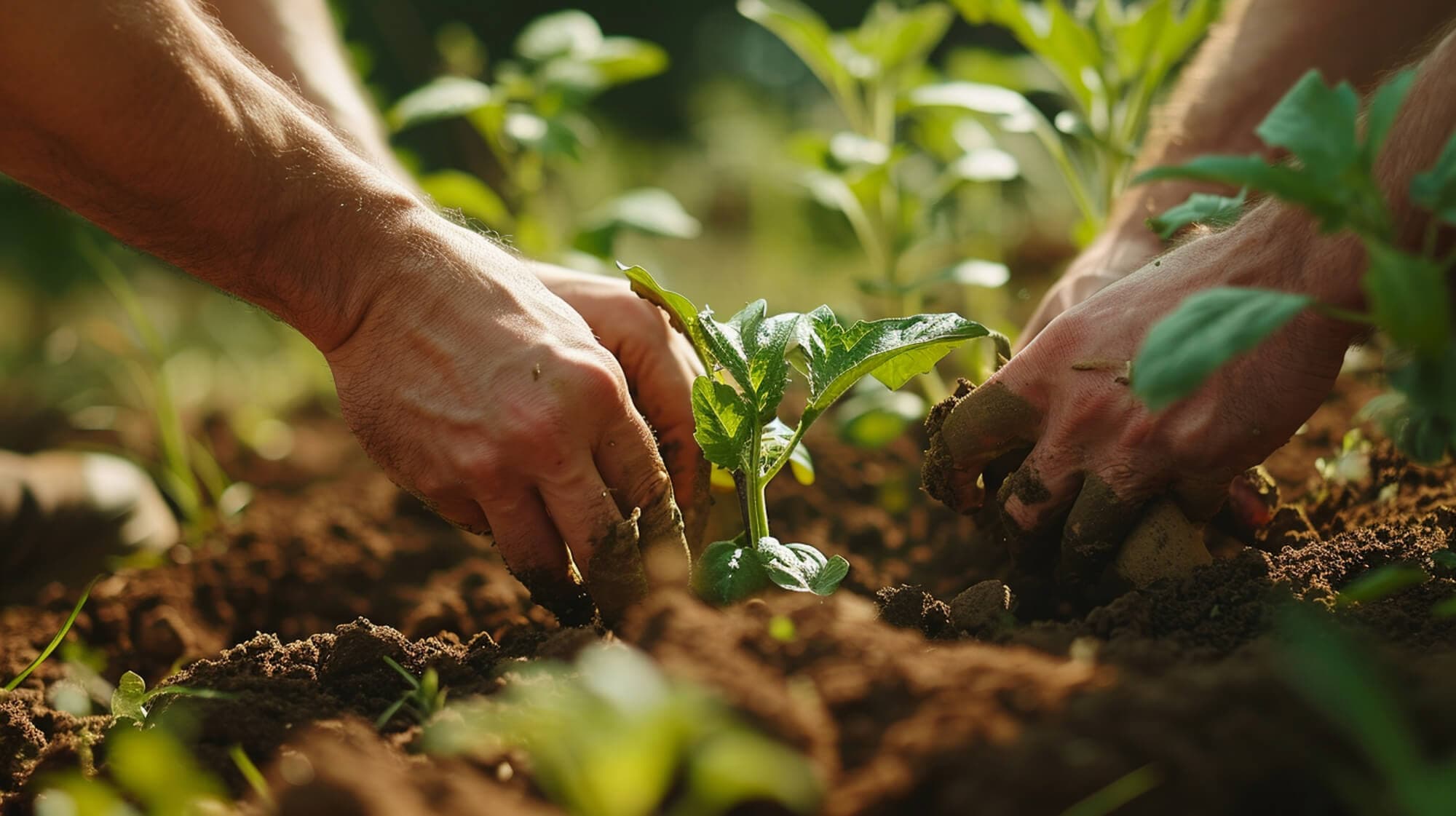 Smallholders
What a nursery decides in a smallholder scheme
Donga Mantung and Manyu are designed around 20,000 hectares of smallholdings between them. The detail that matters most is the least visible one: where the seedlings come from.
Read the article