
What a nursery decides in a smallholder scheme
Donga Mantung and Manyu are designed around 20,000 hectares of smallholdings between them. The detail that matters most is the least visible one: where the seedlings come from.
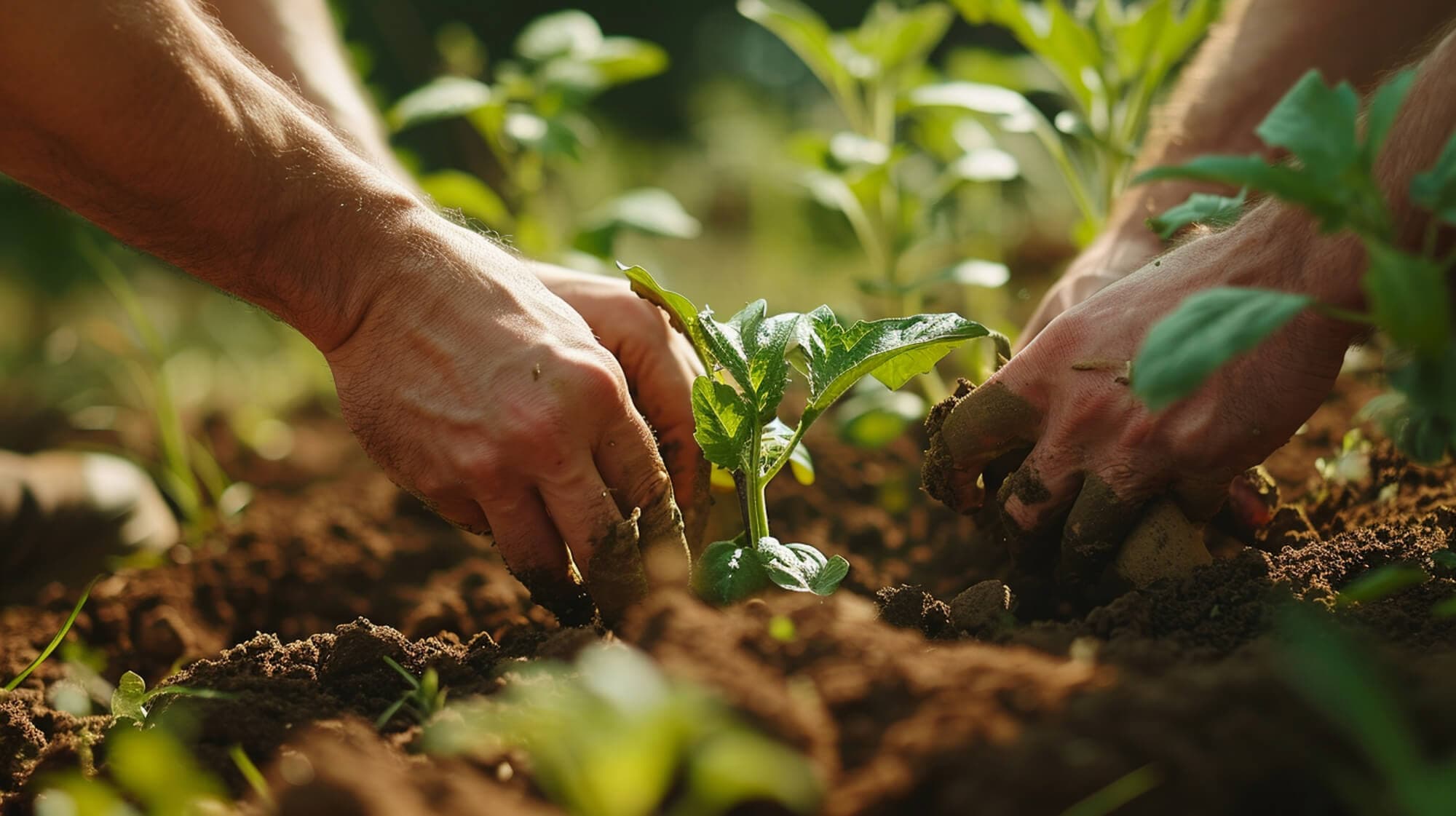
CDC's two smallholder expansion projects, both started in 2011, are designed around 10,000 hectares each: oil palm in Donga Mantung in the North West, oil palm and rubber in Manyu in the South West. Together that is 20,000 hectares of planting on land the corporation does not farm itself.
Both have CDC nurseries on site. Manyu has two, one for each crop. That is the least photogenic part of either project and probably the most important.
A smallholder planting oil palm or rubber is committing land for decades, and the planting material decides most of what follows. Seedlings of unknown origin can carry disease, come from poor parent stock, or simply fail to establish, and the grower will not find out for several years, by which point the land, the labour and the waiting are all spent.
Supplying seedlings from a nursery the corporation runs itself is how that risk is taken off the grower. It also means the smallholdings and CDC's own estates are growing the same material, which matters when the fruit or the latex from both ends up at the same mills and factories.
Read next
 Operations
What low free fatty acid palm oil actually means
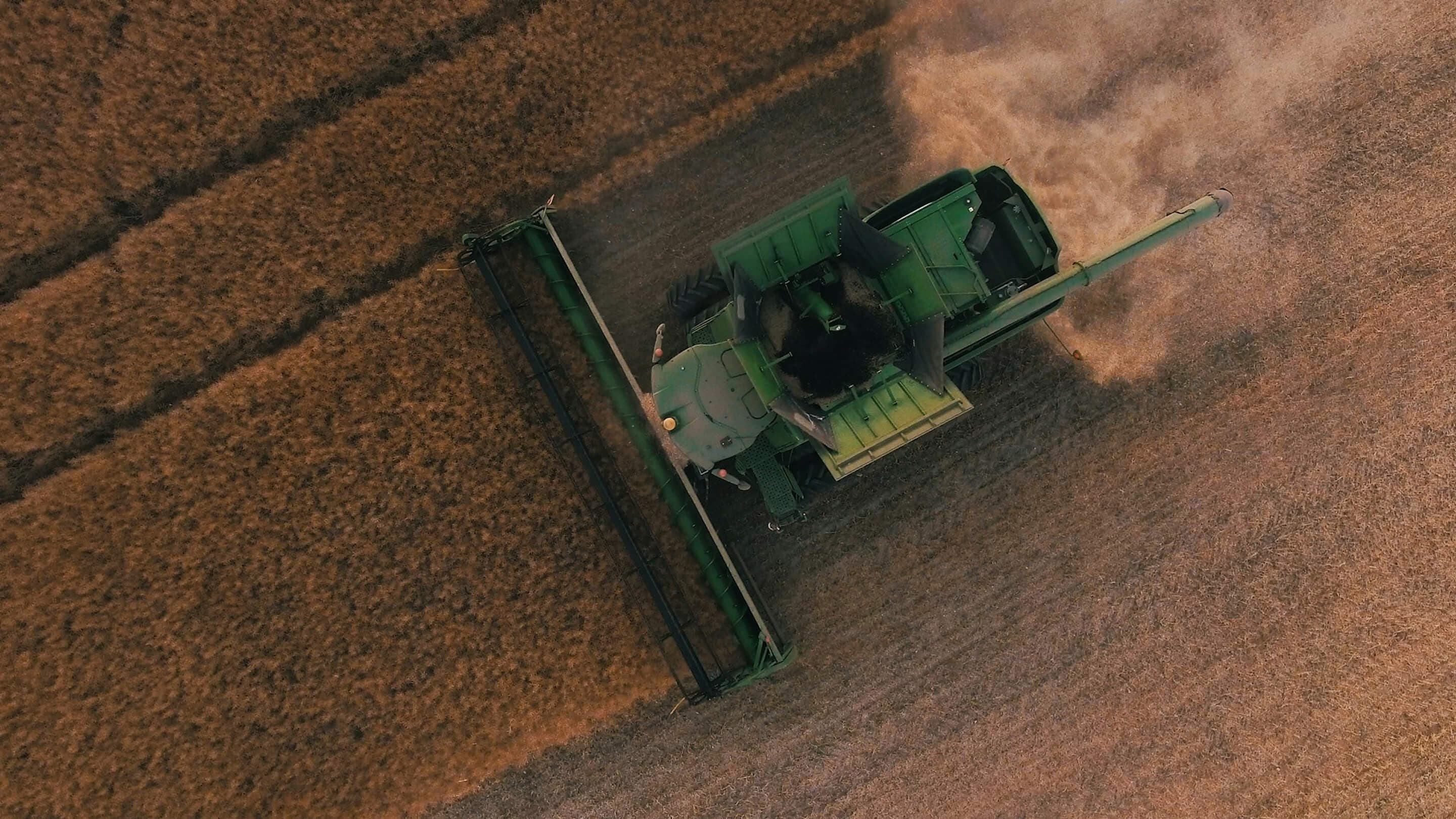
CDC describes its palm oil as low free fatty acid. It is the most useful number on the label, and it is decided in the hours between harvest and mill.
Read the article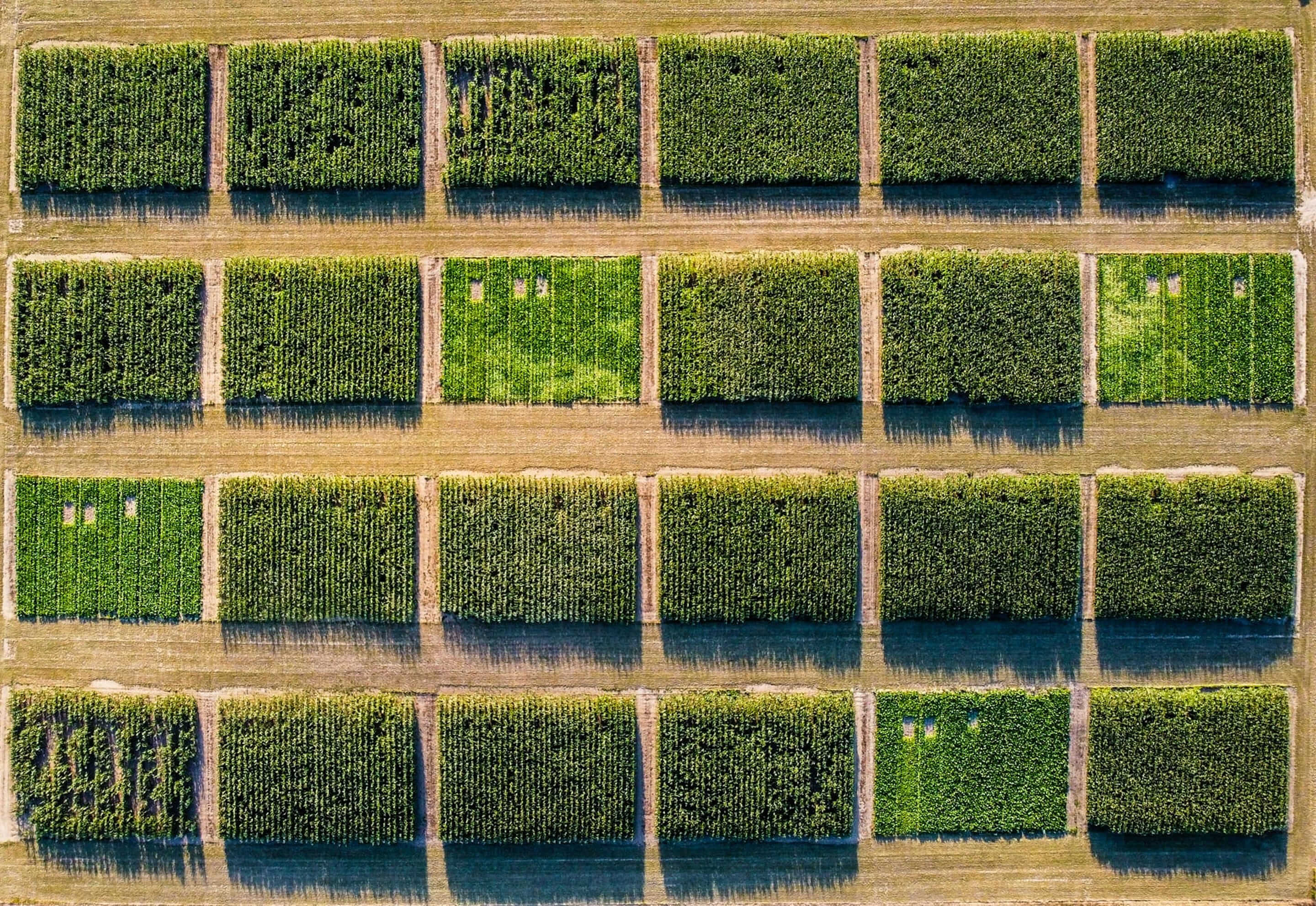 Expansion
Six years from planting to first tapping
Matouke was planted in 2008 and first tapped in 2015. That gap is the single hardest thing about growing rubber, and it shapes how the expansion projects were designed.
Read the article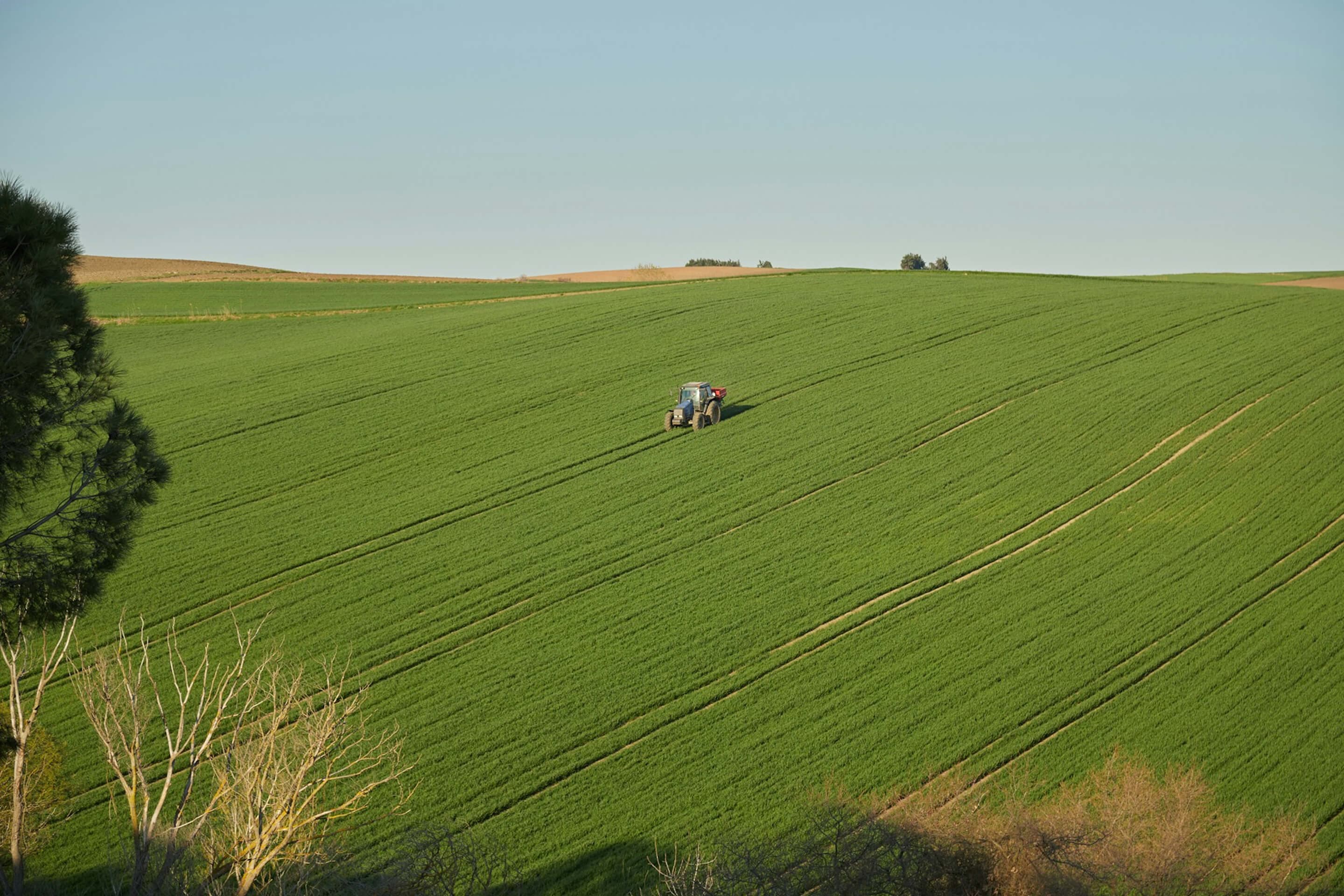 Crops
CropsThe smallest planted area, and the largest tonnage
Banana occupies a ninth of CDC's land and produces about five times the weight of its rubber. Reading the two figures together says a lot about how the corporation is balanced.
Read the article