The smallest planted area, and the largest tonnage
Banana occupies a ninth of CDC's land and produces about five times the weight of its rubber. Reading the two figures together says a lot about how the corporation is balanced.
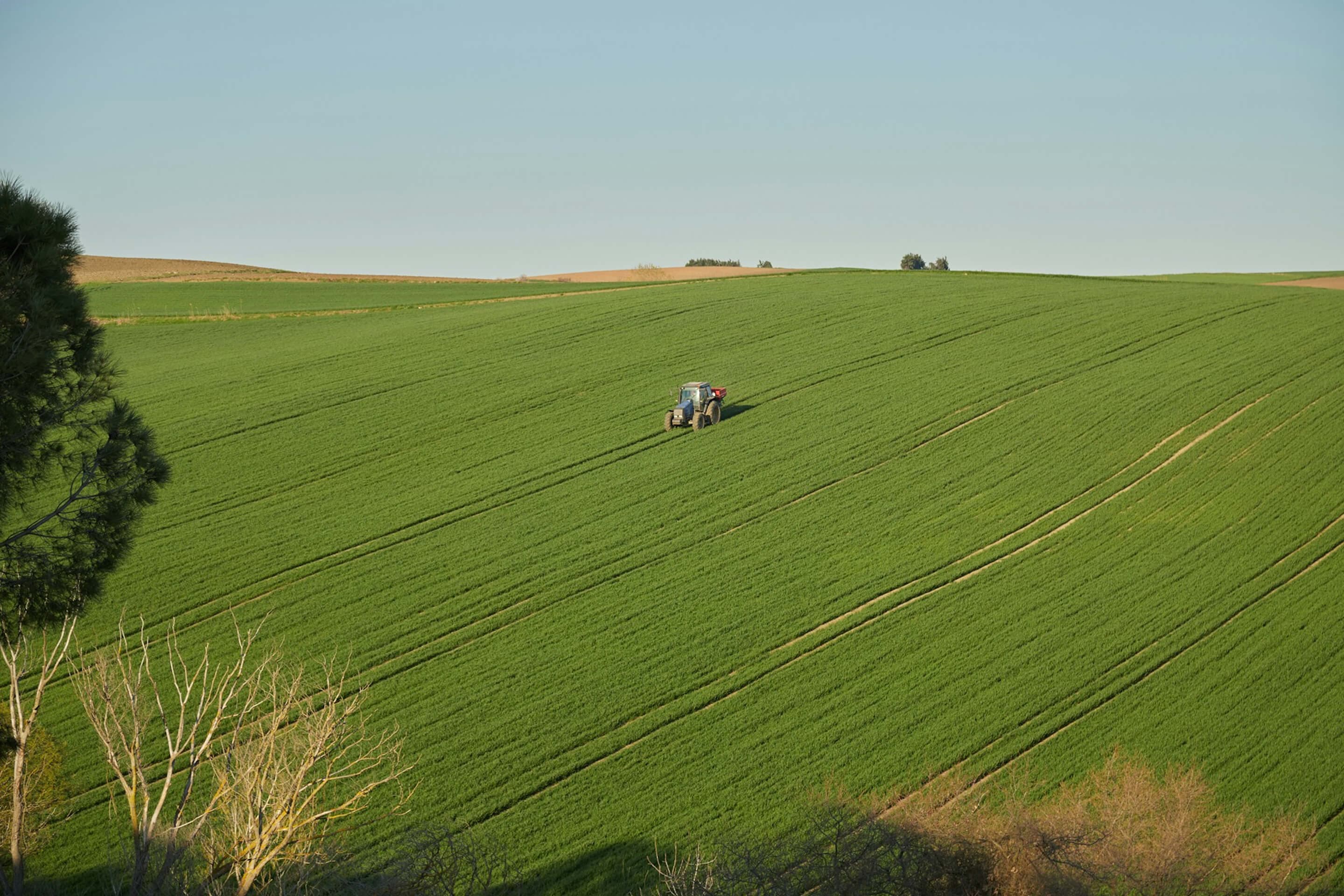
Set CDC's three crops side by side and the proportions are not what the tonnages suggest. Rubber takes 22,262 hectares and yields 18,000 to 20,000 tons a year. Banana takes 4,525 hectares and yields 90,000 to 110,000.
That is roughly a fifth of the land producing about five times the weight. The comparison is not a judgement on either crop, because a ton of semi-finished rubber and a ton of fresh banana are not the same product in any sense that matters commercially. But it does explain why a relatively small banana operation carries real weight in the corporation's output.
The difference is in what is being harvested. Rubber is a slow extraction from a long-lived tree, tapped a little at a time over decades. Banana is the whole plant's fruit, cut and shipped, cycle after cycle.
Oil palm sits between them at 15,240 hectares and 18,000 to 19,000 tons of oil, plus around 600 tons of palm kernel oil. Together the three crops cover 42,027 hectares across the Littoral and South West regions.
Read next
 Operations
What low free fatty acid palm oil actually means
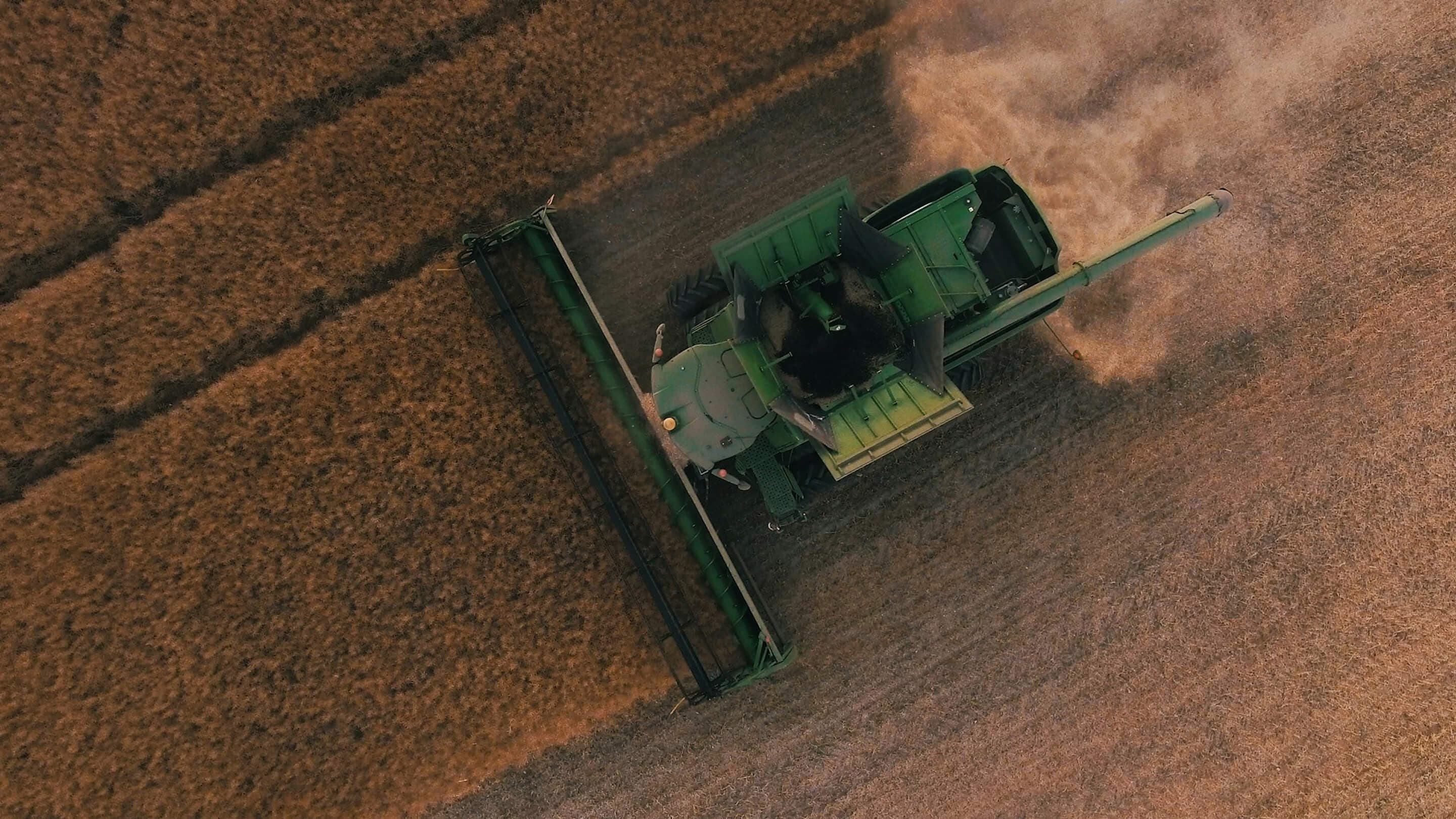
CDC describes its palm oil as low free fatty acid. It is the most useful number on the label, and it is decided in the hours between harvest and mill.
Read the article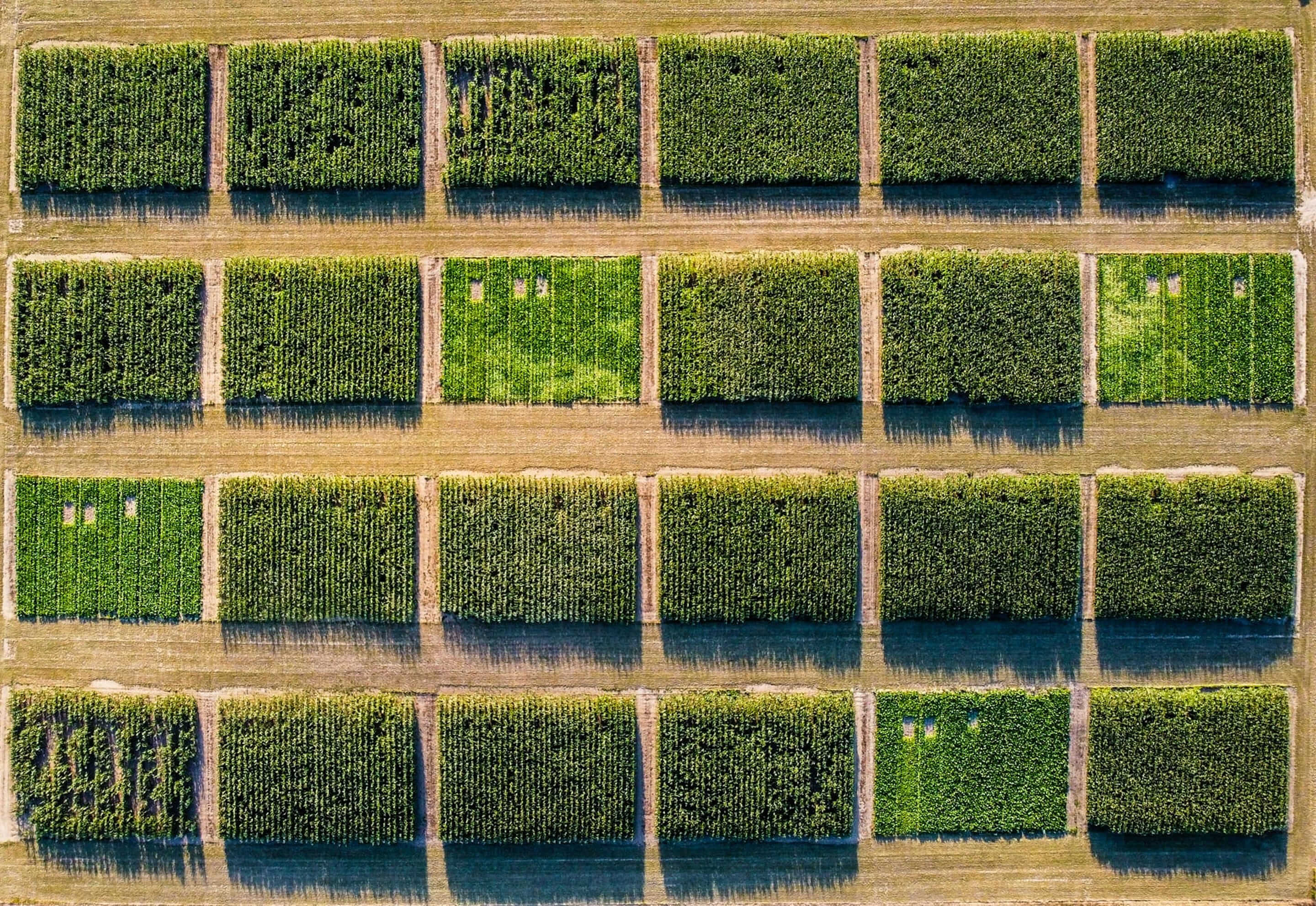 Expansion
Six years from planting to first tapping
Matouke was planted in 2008 and first tapped in 2015. That gap is the single hardest thing about growing rubber, and it shapes how the expansion projects were designed.
Read the article Smallholders
What a nursery decides in a smallholder scheme
Donga Mantung and Manyu are designed around 20,000 hectares of smallholdings between them. The detail that matters most is the least visible one: where the seedlings come from.
Read the article