
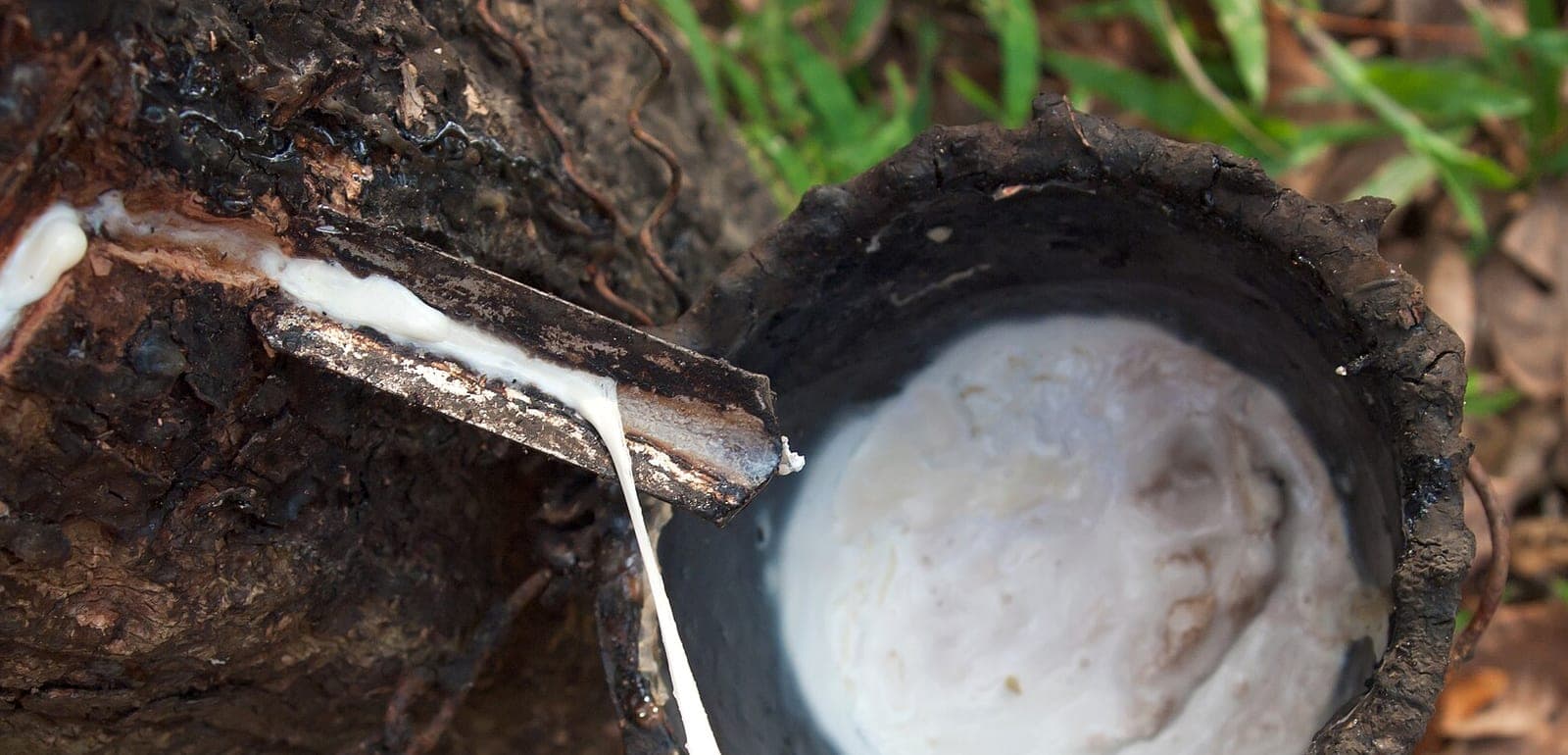
Rubber
The largest of the three crops, and entirely for export
- hectares planted
- 22,262
- Annual output
- 18,000 - 20,000 tons a year
Export
Rubber, oil palm and banana across 42,027 hectares of the Littoral and South West. The country's second largest employer after the state.
About the corporationThe corporation
Incorporated in 1947 to acquire, develop and operate extensive plantations of tropical crops, CDC sits under the technical supervision of the Ministry of Agriculture and Rural Development.
Three crops, two regions, and an industrial footprint that runs from the nursery to the factory floor. Most of what the corporation grows leaves the country. Its palm oil stays.
Learn more
In figures
Figures as published by CDC. The headcount is theirs and needs confirming.
Our crops
Rubber is tapped over decades, banana is cut and shipped, palm fruit is pressed within hours of harvest. Each one dictates its own logistics.
The largest of the three crops, and entirely for export
Export
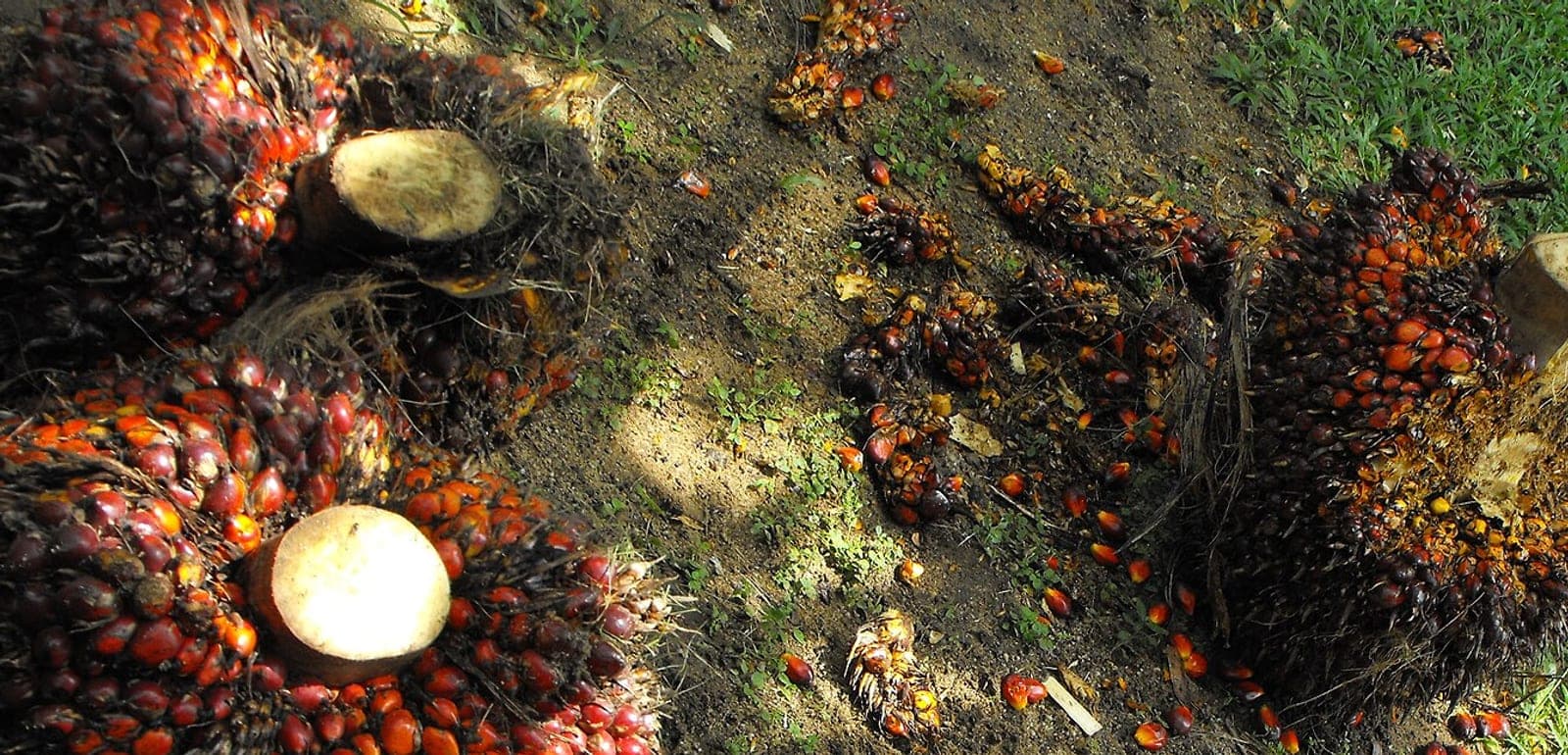
The one crop sold at home, in bottles and jugs Cameroonians buy
Domestic
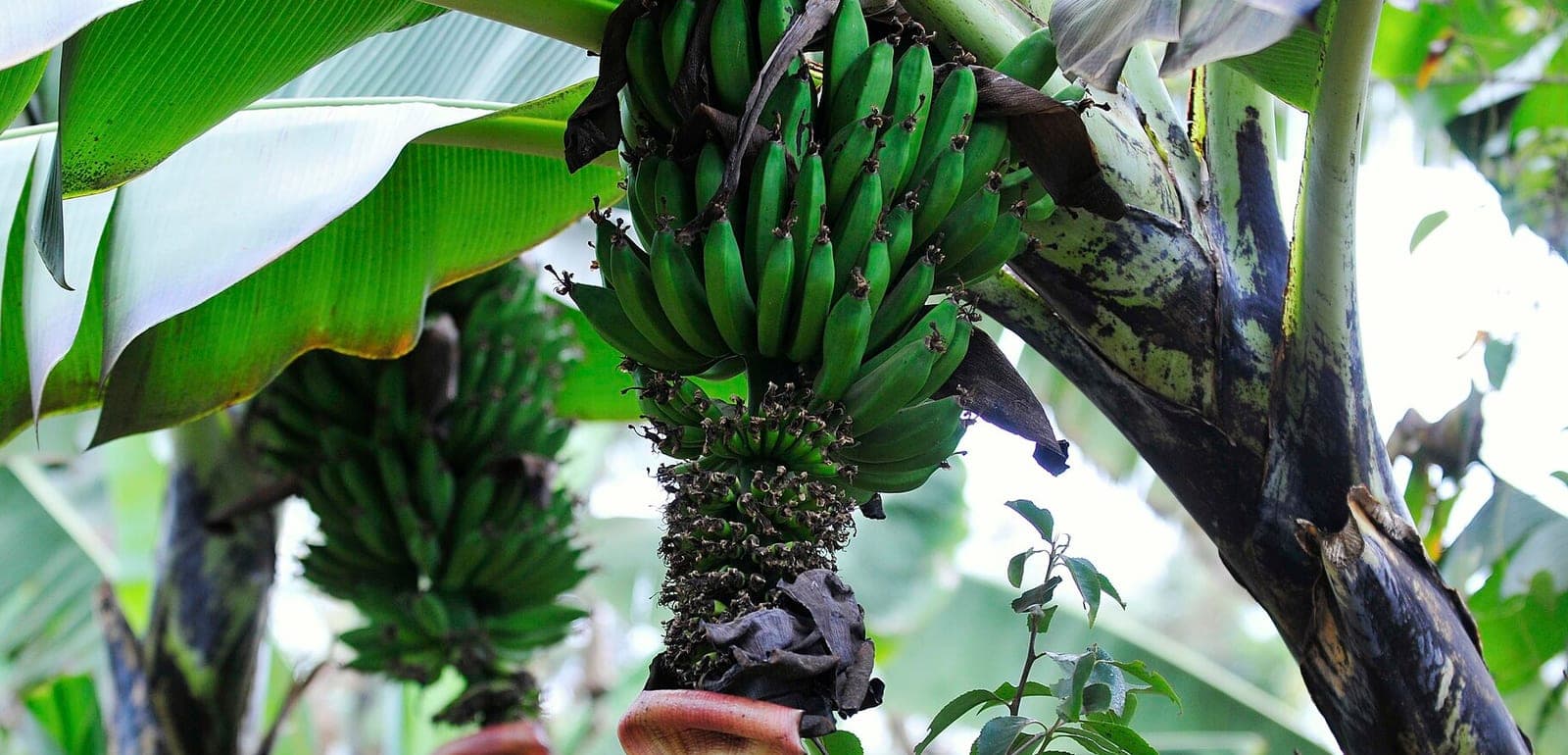
The smallest planted area and by far the largest tonnage
Export
On the ground
Five rubber factories, three palm oil mills, and three expansion projects carrying the corporation into new regions.
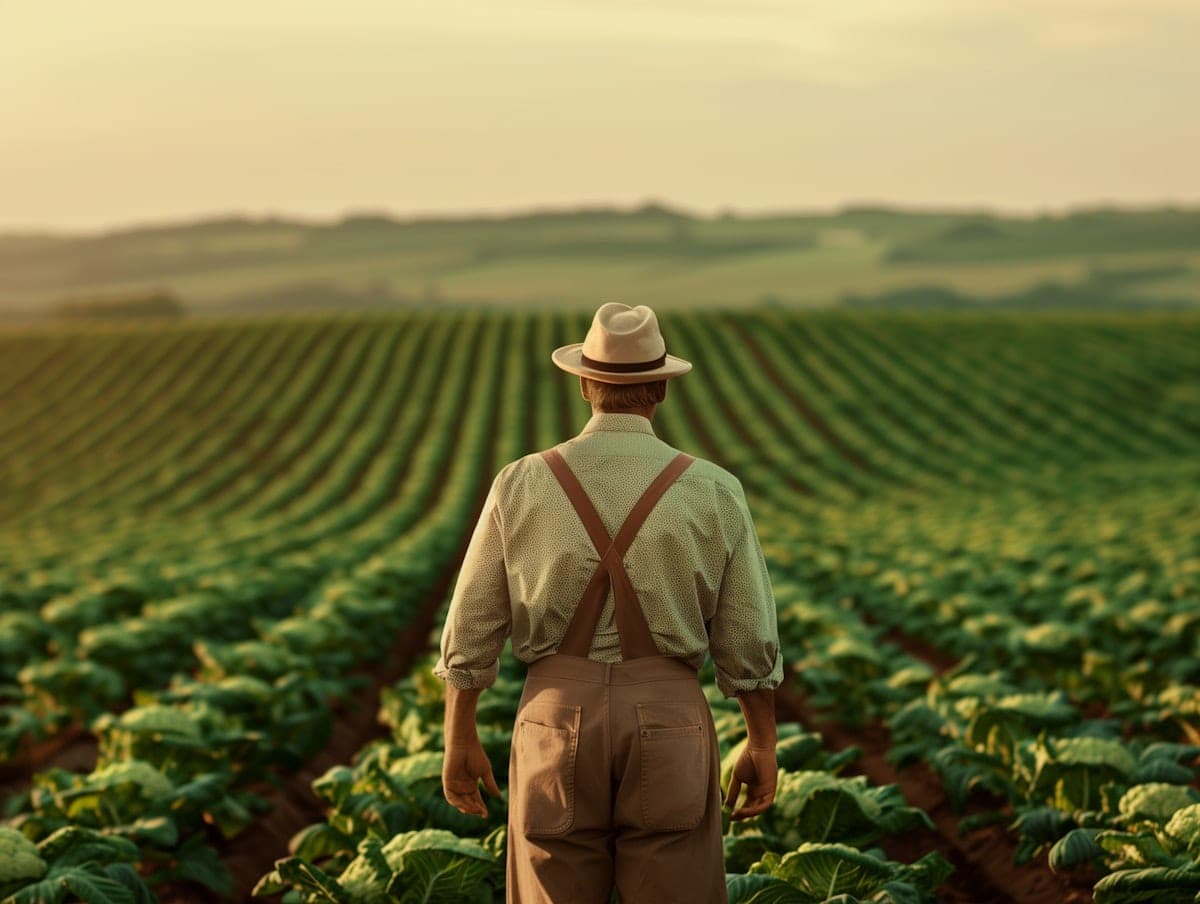
Sustainability
The Donga Mantung and Manyu projects do not create new CDC estates. They support growers on their own land, with nurseries on site.
Learn moreNews
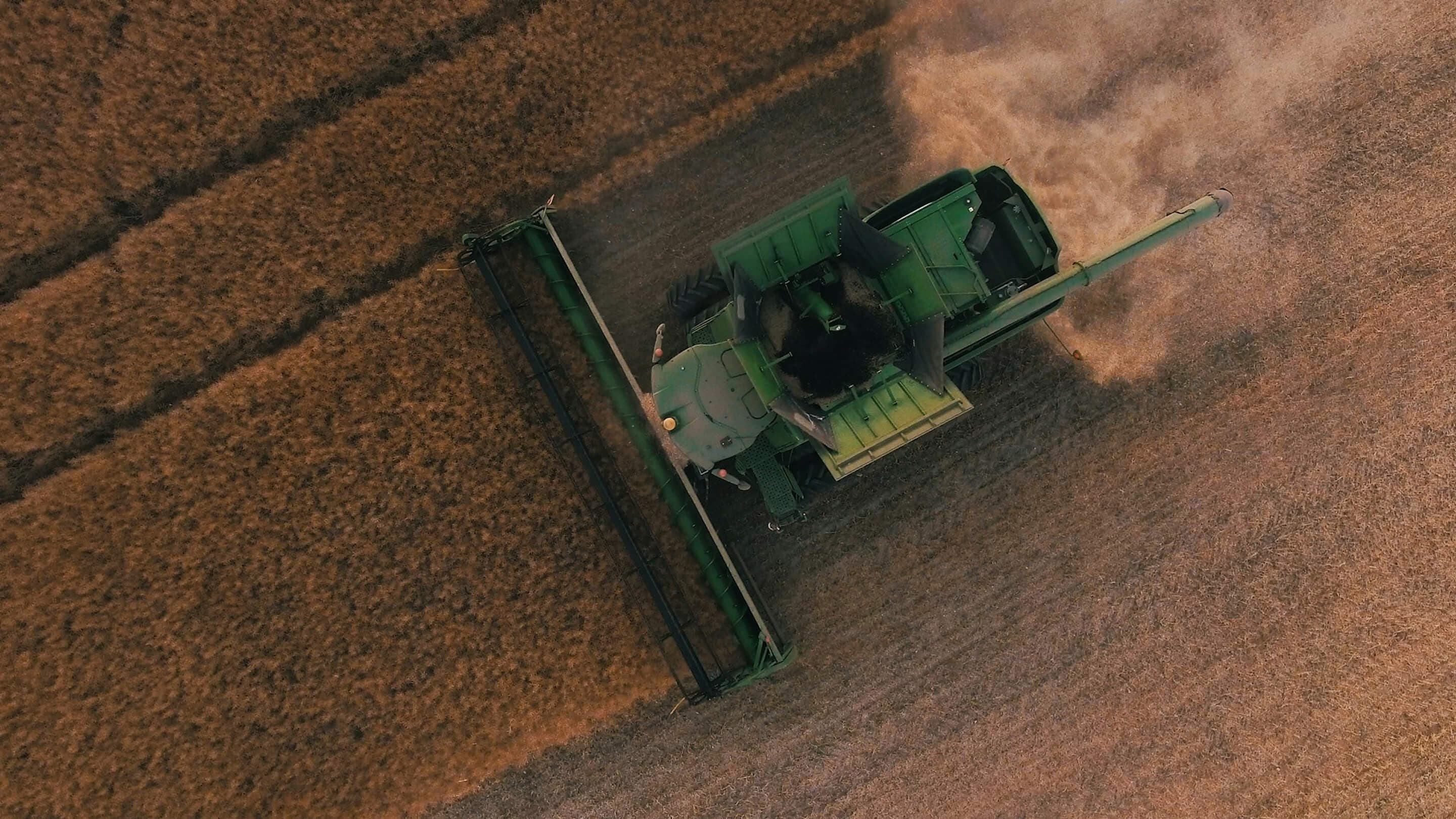 Operations
CDC describes its palm oil as low free fatty acid. It is the most useful number on the label, and it is decided in the hours between harvest and mill.
Read the article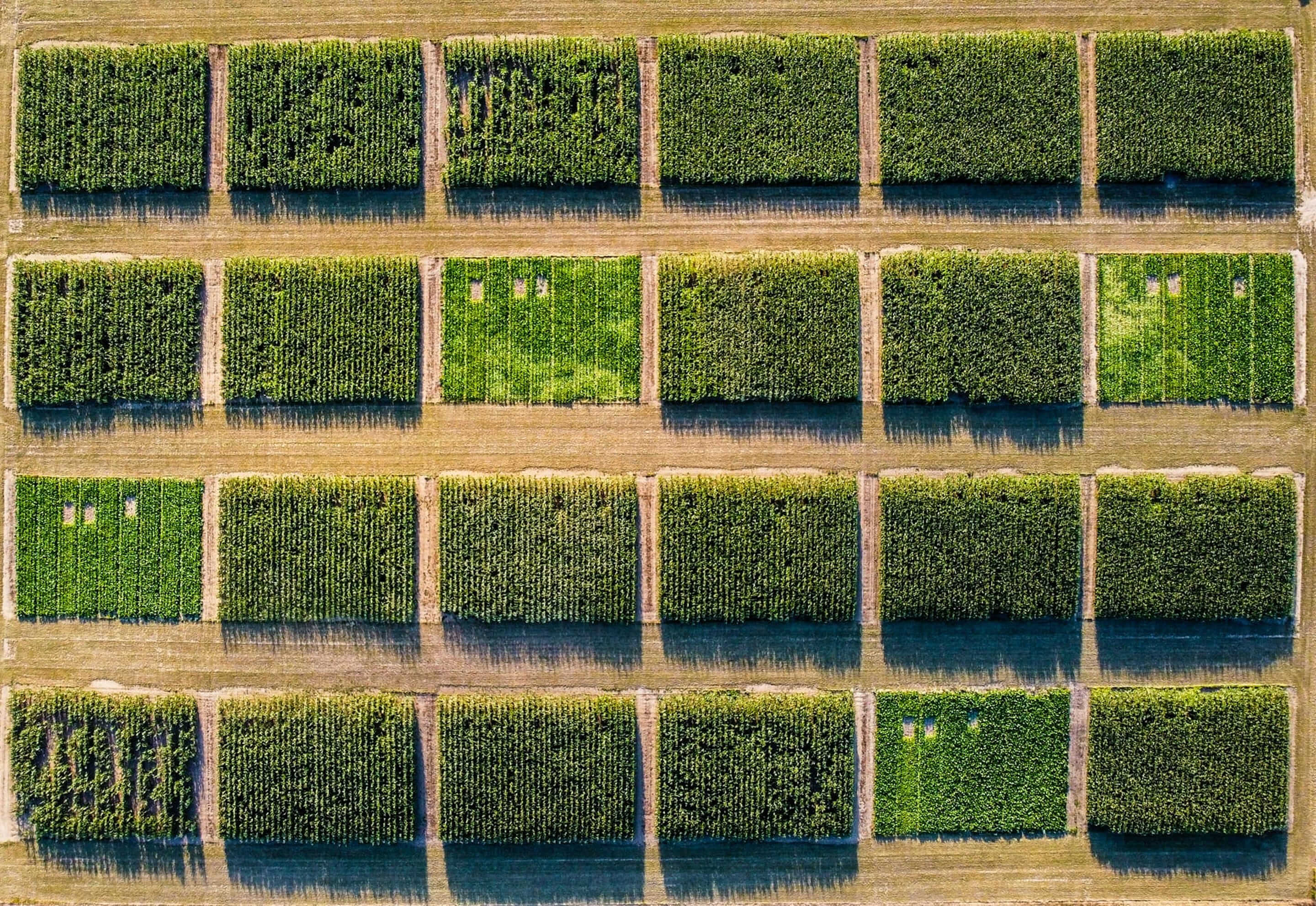 Expansion
Matouke was planted in 2008 and first tapped in 2015. That gap is the single hardest thing about growing rubber, and it shapes how the expansion projects were designed.
Read the article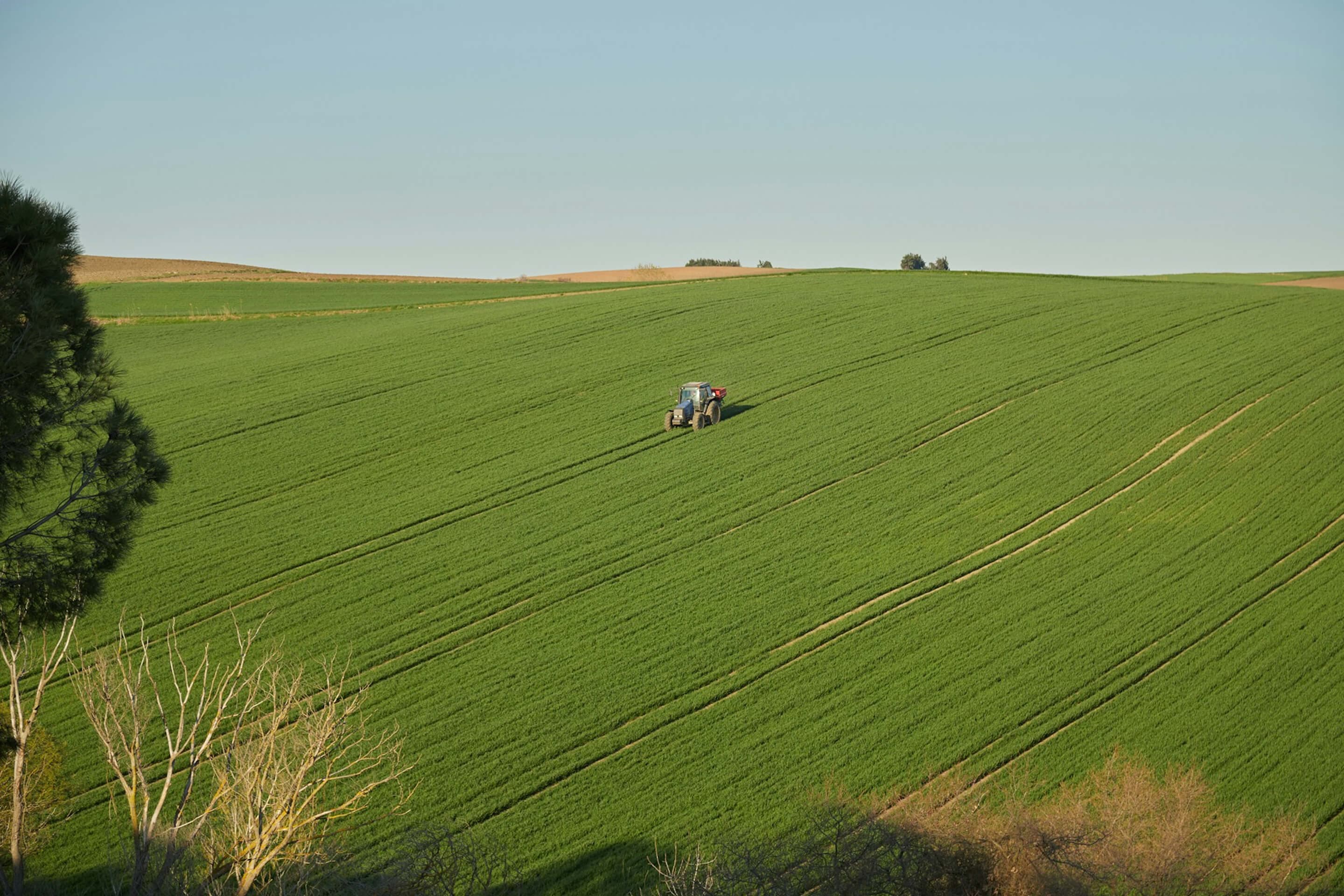 Crops
CropsBanana occupies a ninth of CDC's land and produces about five times the weight of its rubber. Reading the two figures together says a lot about how the corporation is balanced.
Read the article