
The estates are planted where the rain is
Rubber, oil palm and banana are all thirsty perennials. The reason all three grow on the same stretch of coast is written in the rainfall map.
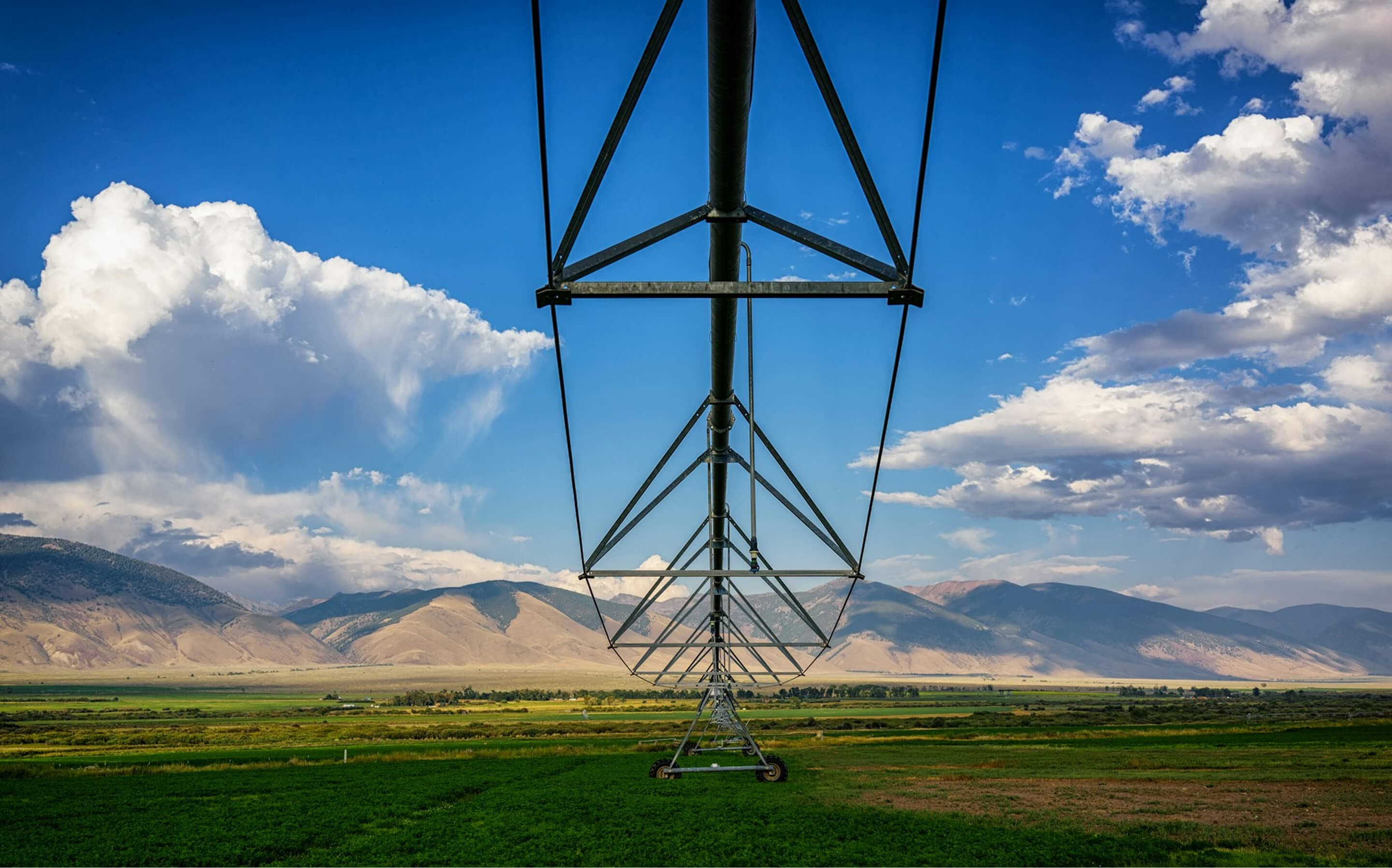
CDC's estates sit in the South West and Littoral regions, on and around the flanks of Mount Cameroon. That is not an administrative accident. It is one of the wettest stretches of the African coast, where the south west monsoon meets a four thousand metre volcano and drops most of what it is carrying on the way up.
All three of the corporation's crops need that. Rubber, oil palm and banana are perennials with high and, more importantly, steady water demand: they do not have a dormant season to sit out a dry spell. A long dry period does not simply reduce a year's yield, it sets back trees that were planted to produce for decades.
Where that rain is not reliable, the same crops are grown under irrigation, at a cost that shows up in every hectare. Planting on a coast that supplies the water directly removes an entire layer of infrastructure, and with it the energy and the maintenance that layer needs.
The volcanic soils are the second half of the answer. Weathered basalt is deep, free draining and naturally fertile, which is what keeps very high rainfall an advantage rather than a waterlogging problem. Rain and drainage together are why three demanding crops can share one stretch of country.
Read next
 Operations
What low free fatty acid palm oil actually means
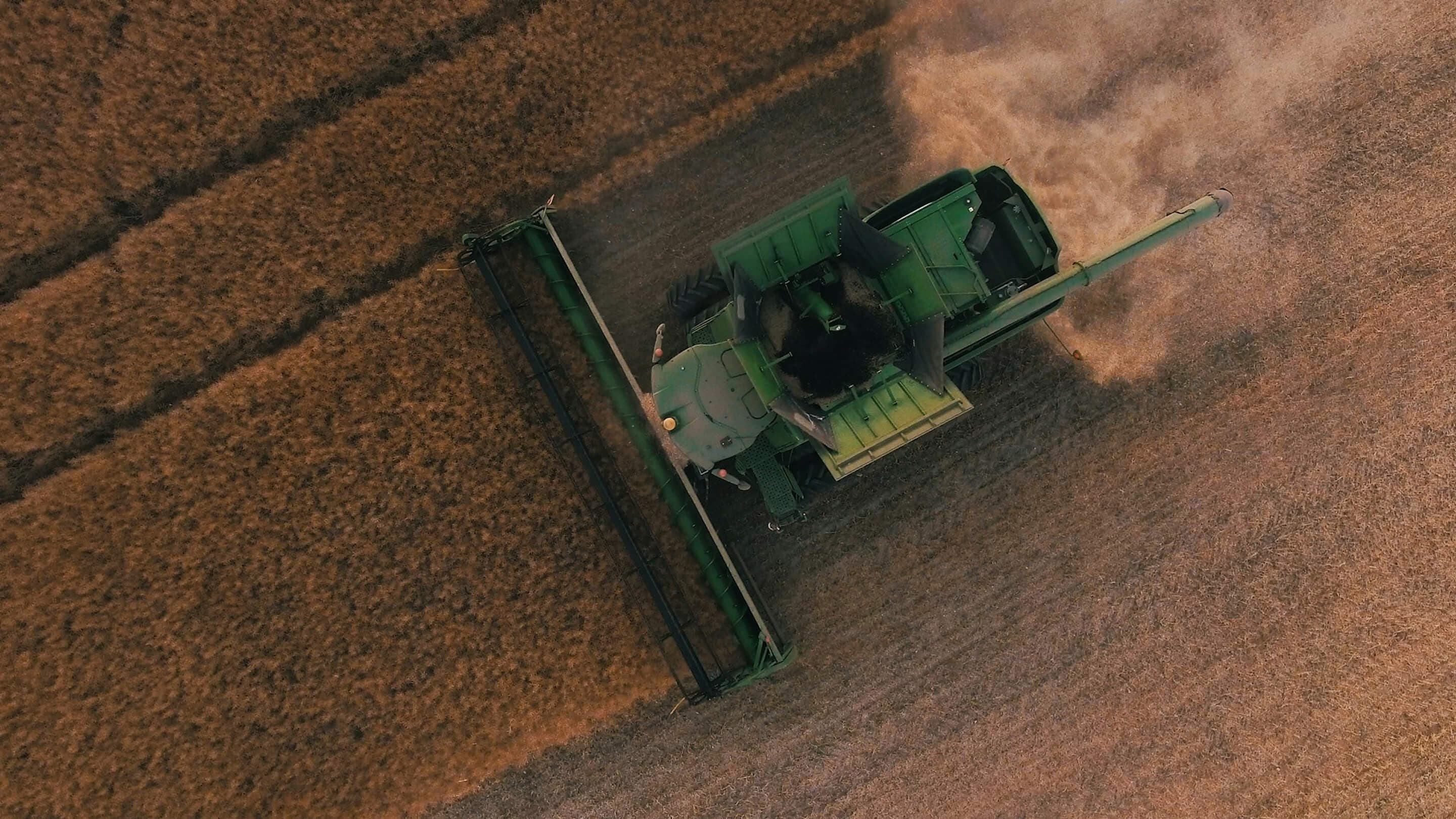
CDC describes its palm oil as low free fatty acid. It is the most useful number on the label, and it is decided in the hours between harvest and mill.
Read the article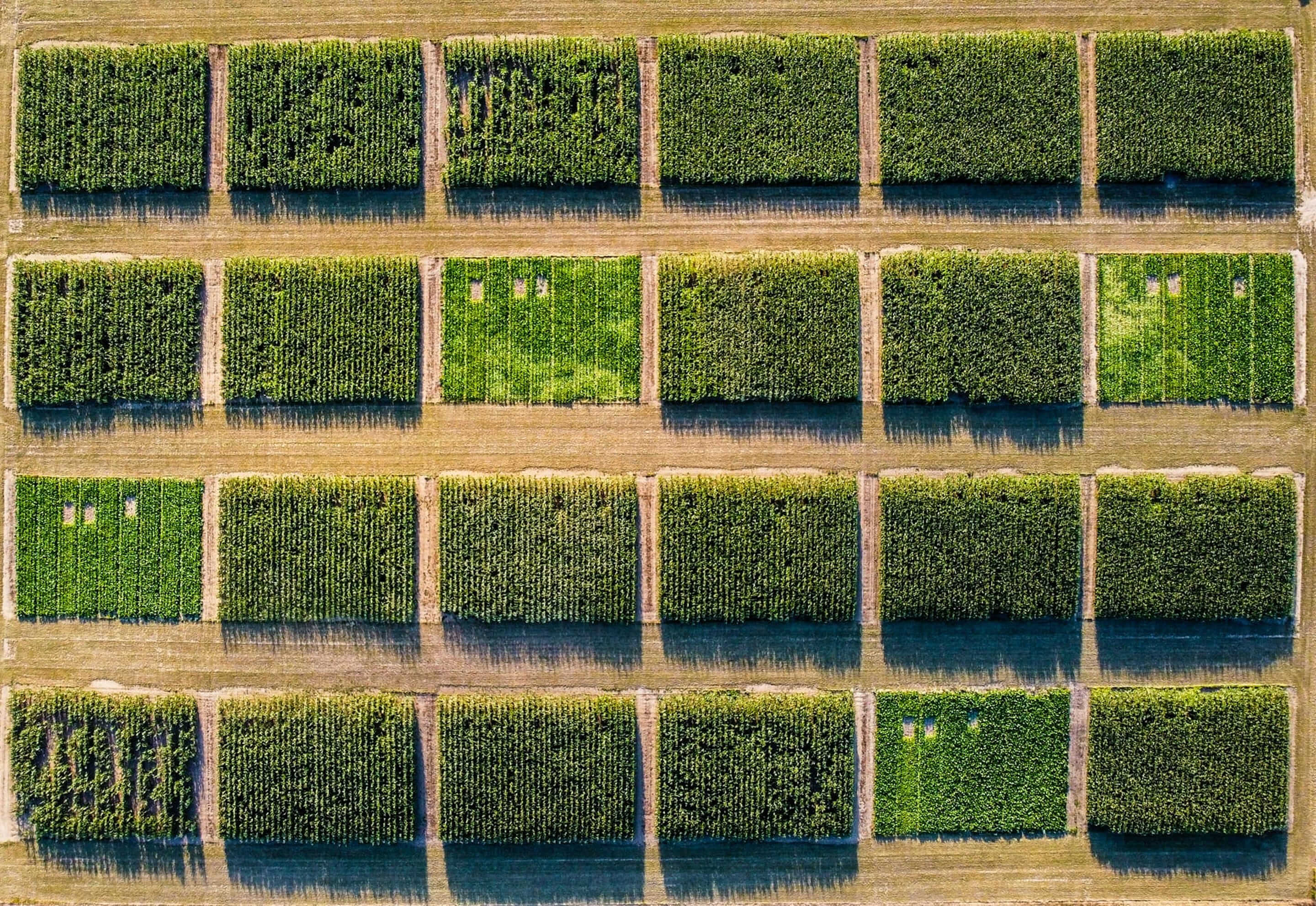 Expansion
Six years from planting to first tapping
Matouke was planted in 2008 and first tapped in 2015. That gap is the single hardest thing about growing rubber, and it shapes how the expansion projects were designed.
Read the article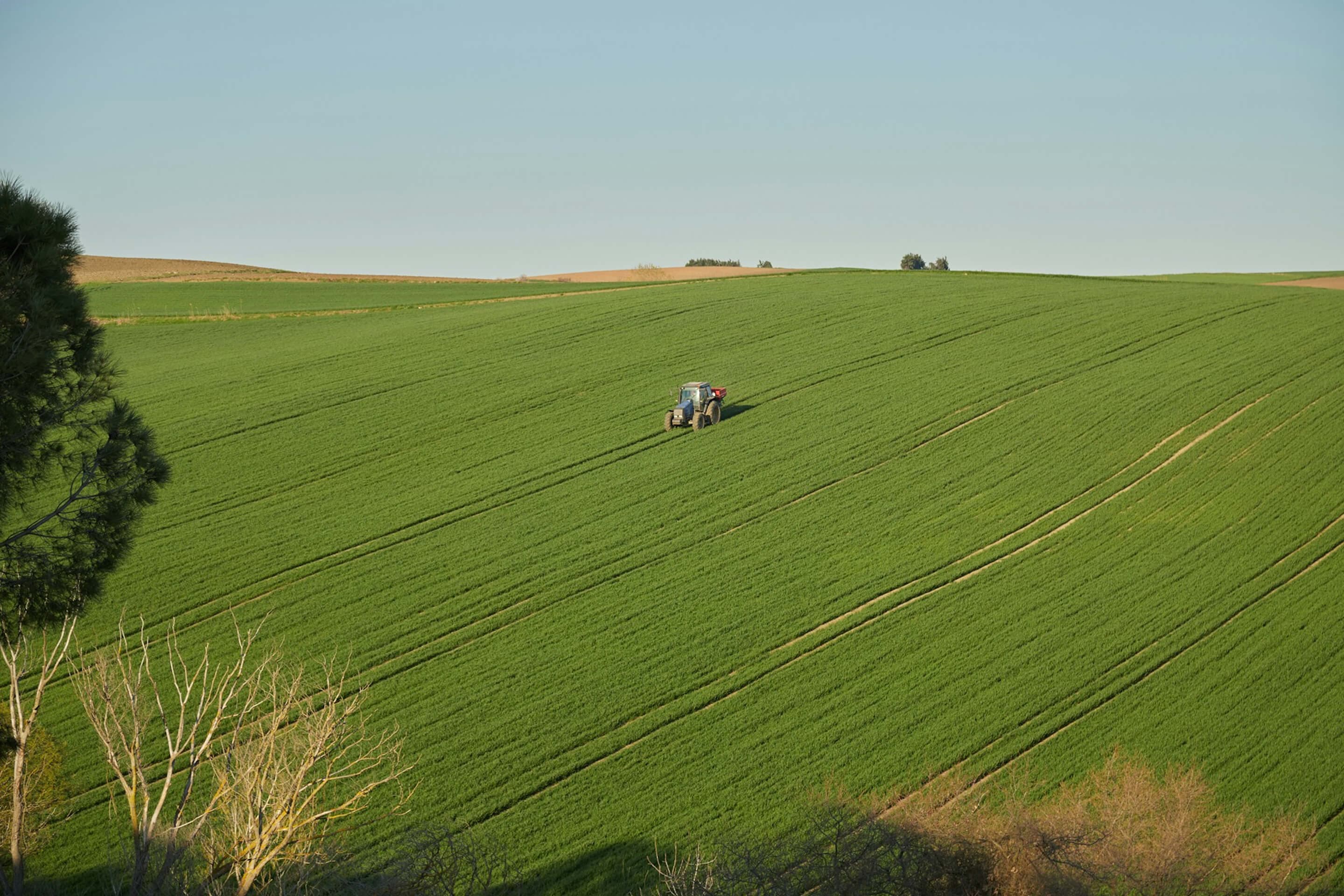 Crops
CropsThe smallest planted area, and the largest tonnage
Banana occupies a ninth of CDC's land and produces about five times the weight of its rubber. Reading the two figures together says a lot about how the corporation is balanced.
Read the article